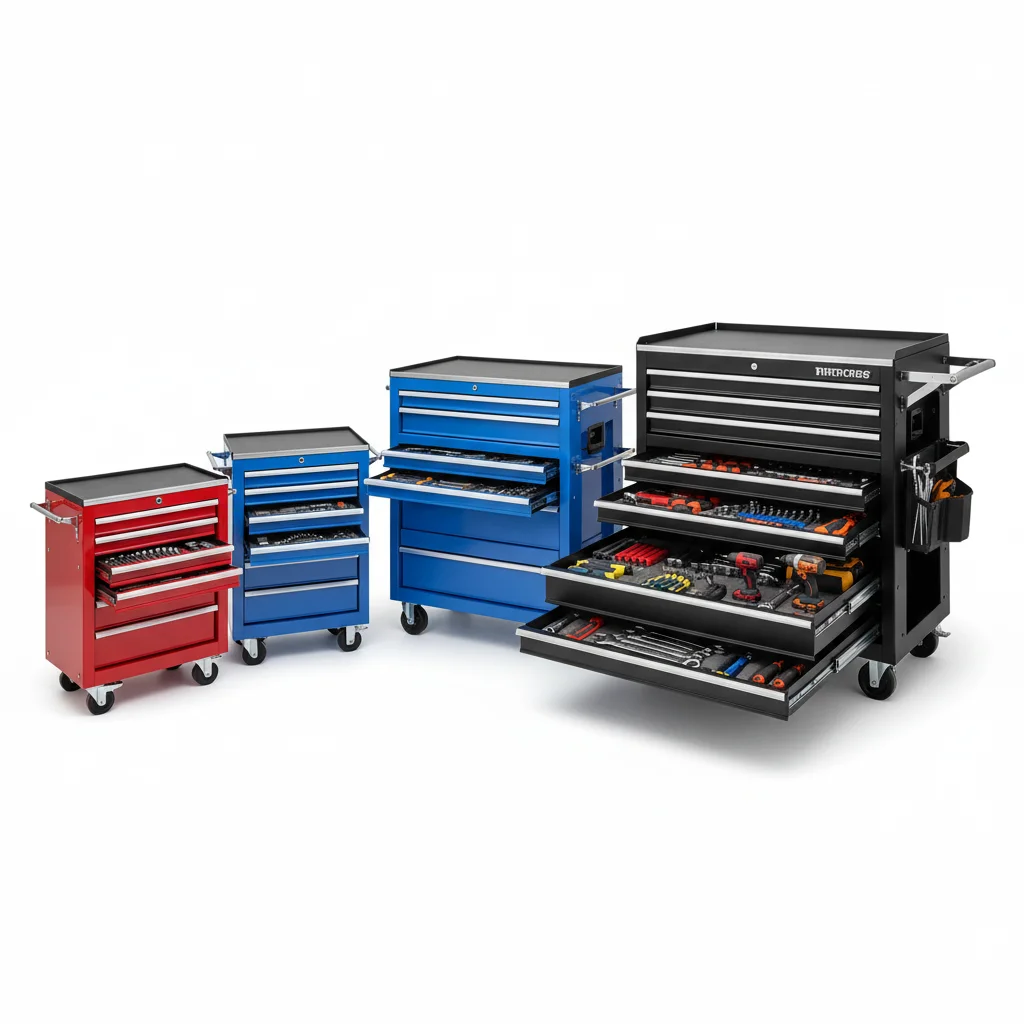
Choosing the right tool chest depth is crucial for both organization and accessibility in your workshop. For most mechanics and DIY enthusiasts, a tool chest depth between 18 and 24 inches offers the optimal balance of storage capacity for common tools and ergonomic access without excessive reaching. This range accommodates a wide variety of hand tools, power tools, and larger equipment while ensuring the chest doesn’t protrude too far into your workspace, maintaining efficient workflow.
Understanding Standard Tool Chest Depths
Tool chests come in a range of depths, typically from 16 inches for compact models up to 30 inches or more for heavy-duty industrial units. The most common depths you’ll encounter are 18, 22, and 24 inches. A 16-inch depth is often found in smaller, portable toolboxes or top chests, suitable for a limited set of frequently used tools. These shallower options are excellent for tight spaces or when mobility is a priority, but they may struggle to house bulkier items like impact wrenches or larger socket sets. For complete reviews library on this site.
Conversely, depths exceeding 24 inches, such as 26 or 30 inches, are usually reserved for professional workshops or specialized applications where very large tools or equipment need to be stored horizontally. While these offer maximum capacity, they can make it harder to retrieve items from the back of drawers and require a significant amount of floor space.
Matching Depth to Your Tool Collection
The ideal tool chest depth largely depends on the types and sizes of tools you own. If your collection primarily consists of hand tools like wrenches, screwdrivers, and smaller power tools, an 18-inch deep chest will likely suffice. This depth allows for efficient organization without wasted space. However, if you frequently use larger items such as angle grinders, reciprocating saws, or extensive socket sets with long extensions, a 22-inch or 24-inch depth becomes more practical. This extra space prevents tools from being stacked haphazardly or from preventing drawers from closing properly.
Consider the longest tool you regularly use and ensure the chosen depth can accommodate it comfortably. It’s also wise to anticipate future tool purchases; opting for a slightly deeper chest than your current needs might save you from needing an upgrade sooner than expected.
Ergonomics and Workspace Impact
|
Our Picks for the Best Tool Chest in 2026
As an Amazon Associate I earn from qualifying purchases.
|
||
| Num | Product | Action |
|---|---|---|
| 1 | Workington Portable Metal Tool Chest with 6 Drawers, 24" 6-Drawer Tool Chest Cabinet with Ball Bearing Drawer Slides, Steel Tool Storage Box Organizer 4005 Black |

|
| 2 | Goplus Rolling Tool Chest, 5-Drawer Tool Box Organizer w/Lockable Wheels & Sliding Drawers & Detachable Top & Adjustable Shelf, Tool Storage Cabinet for Garage Workshop (Blue) |
|
| 3 | Road DAWG ATBT1204D-BLACK Torin Rolling Garage Workshop Tool Organizer: Detachable 4 Drawer Tool Chest with Large Storage Cabinet and Adjustable Shelf, Black |
|
| 4 | Goplus Rolling Tool Chest, 5-Drawer Tool Box Organizer w/Lockable Wheels & Sliding Drawers & Detachable Top & Adjustable Shelf, Tool Storage Cabinet for Garage Workshop (Red+Black) |
|
| 5 | Workington Portable Metal Tool Chest with 9 Drawers, 24" 9-Drawer Tool Chest Cabinet with Ball Bearing Drawer Slides, Steel Tool Storage Box Organizer 4006 Black |
|
| 6 | Workington Professional Industrial Portable Metal Tool Chest with 6 Drawers, 26" 6-Drawer Tool Chest Cabinet with Ball Bearing Drawer Slides, Steel Tool Storage Box Organizer 4015 Black |
|
| 7 | IRIS USA Screw Tool Organizer Small Parts Cabinet, 44-Drawer, Electronics Hardware Nuts and Bolts Plastic Storage Drawers Garage Storage, Stackable Bead Craft Organizer Building Bricks Sorter, Black |
|
| 8 | Keter Stack-n-Roll Modular Tools Organizer for Garage Storage and DIY, 3 Piece Resin Rolling Tool Box System for Small Parts, Black |
|
| 9 | Goplus Rolling Tool Chest, 5-Drawer Tool Box Organizer w/Lockable Wheels & Sliding Drawers & Detachable Top & Adjustable Shelf, Tool Storage Cabinet for Garage Workshop(Gray) |
|
| 10 | Goplus 5-Drawer Rolling Tool Chest, Tool Storage Box, Removable Tool Cabinet, Sliding Metal Organizer w/Lockable Drawers (Classic Black) |
|
Beyond storage capacity, the depth of your tool chest significantly impacts the ergonomics of your workspace. A chest that is too deep can force you to lean or reach excessively, leading to discomfort or potential injury over time. For most individuals, a depth that allows you to easily access items at the back of a fully extended drawer without straining is ideal. This often falls within the 18- to 24-inch range, as it keeps the center of gravity of the chest manageable and prevents it from becoming a tripping hazard in a busy shop.
Think about the layout of your garage or workshop. A deeper chest will naturally take up more floor space, which might be a critical factor in smaller environments. Measure your available space carefully, considering not just the chest’s footprint but also the clearance needed for drawers to fully extend and for you to move around comfortably.
Benefits of Optimal Tool Chest Depth
- Improved Organization: Prevents tools from being stacked, allowing for dedicated slots or trays.
- Enhanced Accessibility: Reduces the need to dig through layers of tools to find what you need.
- Better Tool Protection: Less chance of tools rubbing against each other, reducing wear and tear.
- Efficient Workflow: Quicker access to tools means less time searching and more time working.
- Space Optimization: Maximizes vertical and horizontal storage without overcrowding your workspace.
Considerations for Specialized Tools
For mechanics who work with very specific or oversized equipment, such as specialized diagnostic tools, large pneumatic tools, or automotive body repair tools, a standard depth might not be enough. In these cases, custom-built storage solutions or specialized tool chests with depths exceeding 24 inches might be necessary. Some manufacturers offer extra-deep bottom cabinets designed to house these larger items, often paired with shallower top chests for frequently used hand tools. Always prioritize the safe and secure storage of your most valuable and frequently used specialized equipment.
Get our weekly buyer guide
Practical specs, not advice. Unsubscribe anytime.
